How the Right Restaurant Equipment Can Improve Kitchen Productivity
By paramount
Every second in a commercial kitchen has a job to do. An oven must keep up with incoming orders, coffee must be ready for the next customer, and every dish must meet the same quality standards, even during the busiest hours. For restaurant owners, hotel operators, and food service businesses, productivity is not just about serving faster. It is about maintaining consistency, managing staff efficiently, and keeping daily operations running smoothly.
Now, imagine your oven breaking down in the middle of a dinner rush. Or finding out that the equipment you purchased at a discounted price cannot handle your daily production volume. Orders pile up, staff struggle to catch up, and customers are left waiting. What seemed like a good deal can quickly become an expensive operational problem.
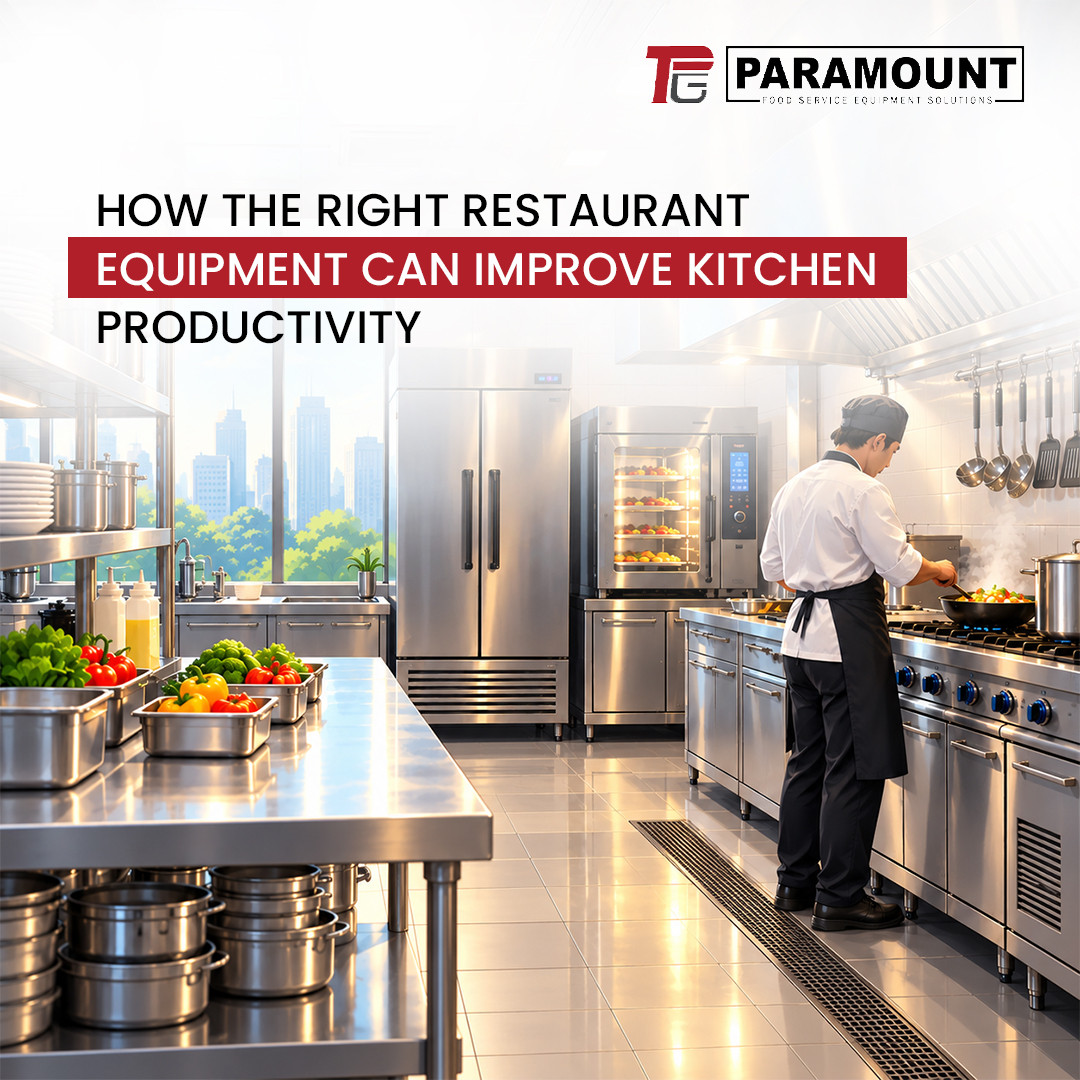
This is why choosing the right restaurant equipment is a business decision, not just a purchasing decision. From programmable combi ovens and electric deck baking ovens to automatic juicers, planetary mixers, and display chillers, every piece of equipment should serve a purpose in your kitchen. The right selection helps your team save time, maintain food quality, reduce waste, and handle demand with greater efficiency.
Four Ways the Right Kitchen Equipment Improves Productivity
1. Cook Smarter and Maintain Consistent Quality
When your equipment works smarter, your team does not have to work harder. Modern cooking equipment simplifies repetitive tasks, reduces manual adjustments, and helps produce consistent results across multiple batches.
Programmable combi ovens combine different cooking methods, such as steam and hot-air cooking, making them useful for restaurants, hotels, and large food service operations. Electric ovens and electric deck baking ovens serve different production needs, from general baking and roasting to preparing pizzas, breads, pastries, and other baked products. Choosing the right model for your menu and output helps reduce cooking delays and maintain consistent results.
For commercial kitchens handling high order volumes, the right cooking equipment also allows staff to manage several tasks more effectively. Instead of constantly monitoring every cooking cycle, employees can focus on preparation, order coordination, and quality control.
2. Keep Preparation Moving During Peak Hours
A productive kitchen depends on more than cooking speed. Preparation must keep pace with incoming orders, particularly in cafés, juice bars, bakeries, and restaurants with varied menus.
Automatic juicers and juice extractors help businesses prepare fresh beverages more efficiently, especially when demand is high. Coffee espresso machines allow cafés, restaurants, and hotel kitchens to prepare coffee with greater speed and consistency. For bakeries and food production units, planetary mixers and dough mixers reduce the manual effort involved in mixing ingredients and preparing dough in larger quantities.
The key is to choose equipment according to your menu, expected production volume, and available staff. When preparation becomes faster and more predictable, employees can spend less time managing repetitive tasks and more time keeping orders moving.
When evaluating commercial kitchen equipment suppliers in Dubai, businesses should consider how individual machines will work together within the overall kitchen layout. The objective is to minimise unnecessary movement, prevent bottlenecks, and create a workflow that supports both daily operations and peak service periods.
3. Protect Ingredients and Make Better Use of Kitchen Capacity
Productivity is not simply about preparing more food. It is also about making sure ingredients and prepared dishes are used effectively, without unnecessary waste.
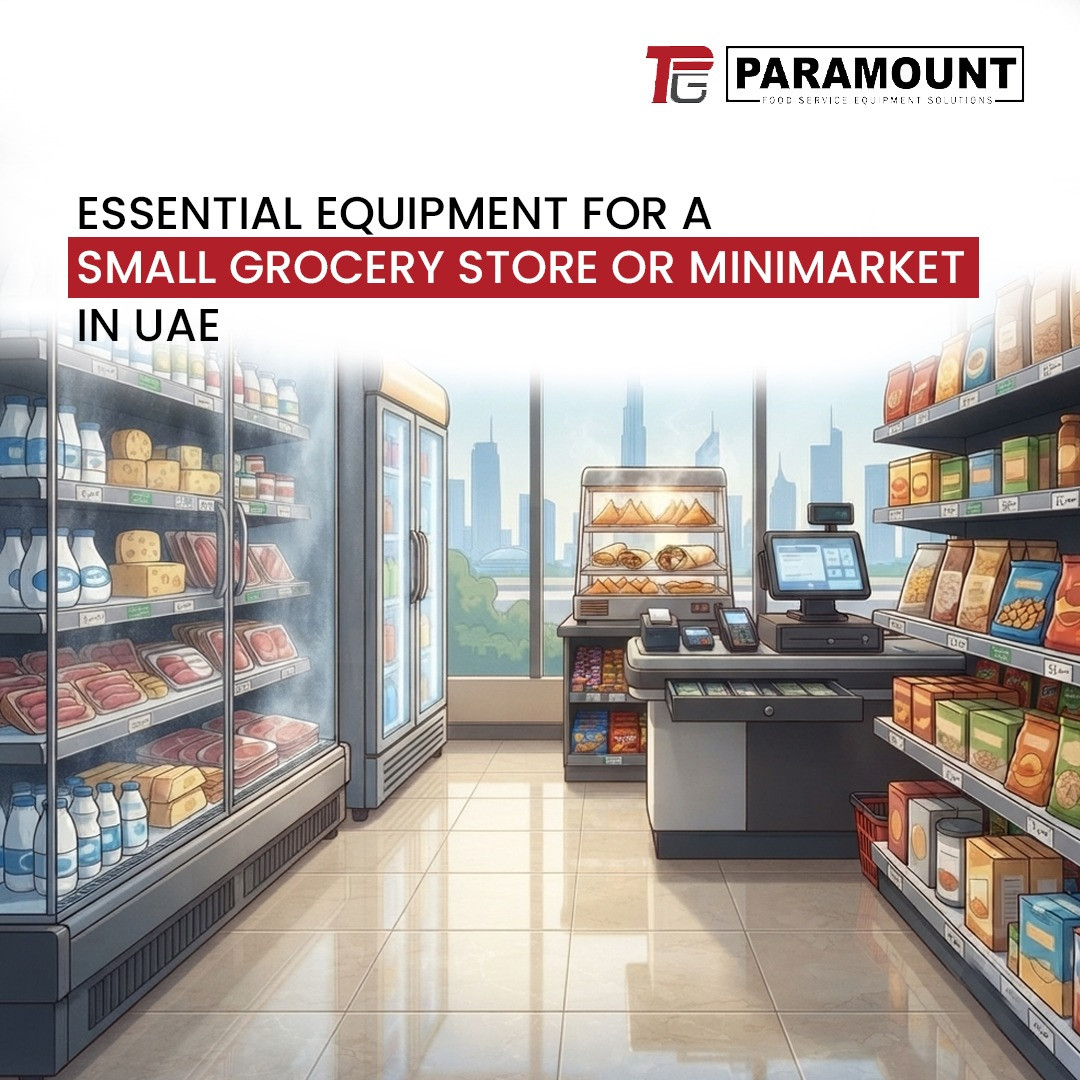
Display chillers play an important role in cafés, bakeries, dessert shops, supermarkets, and restaurants that display chilled products. They keep suitable products at controlled temperatures while making them visible and accessible to customers. A well-chosen display chiller can support product presentation, simplify service, and help staff manage chilled inventory more effectively.
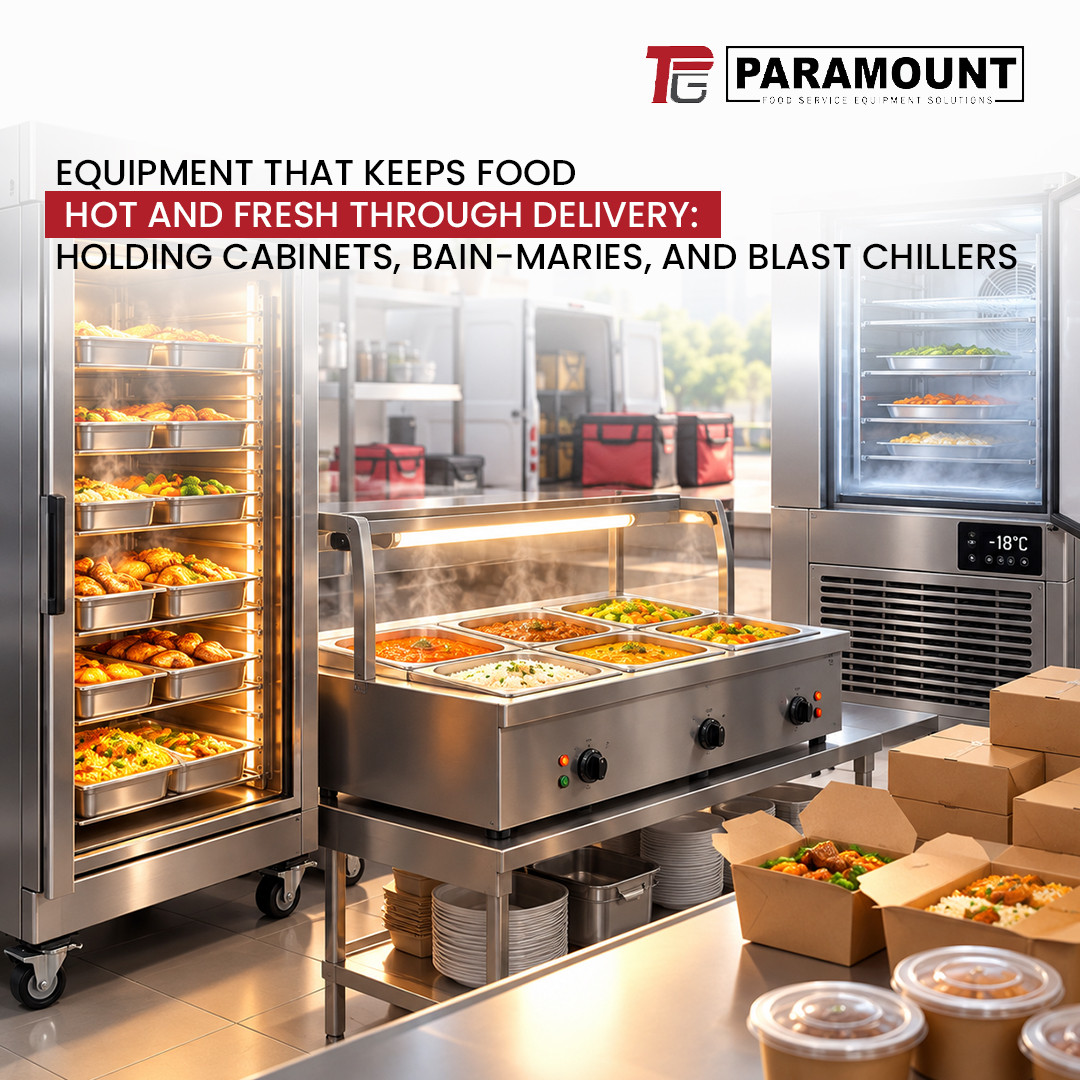
Smart holding cabinets also help kitchens manage prepared food during busy periods when selected and operated correctly. Together with suitable refrigeration and cooking equipment, they can support better production planning and reduce avoidable losses caused by poor storage or inconsistent preparation.
For businesses sourcing restaurant equipment Oman, it is important to consider operating capacity, energy consumption, temperature control, maintenance requirements, and the equipment’s suitability for the local operating environment. Looking beyond the initial purchase price helps businesses understand the long-term value of their investment.
4. Choose the Right Supplier for Long-Term Support
Even the best commercial kitchen equipment delivers limited value if it is not suitable for your operation or if support is unavailable when something goes wrong. The team you purchase from matters just as much as the equipment itself.
An experienced supplier should understand your business requirements, recommend appropriate equipment, explain capacity and operating features, and help you avoid purchasing machines that are either insufficient for your needs or unnecessarily expensive. Guidance on kitchen layout, installation, and operation can also make the transition to new equipment easier.
After-sales service is particularly important for commercial kitchens, where equipment downtime can interrupt service and affect revenue. Access to technical assistance, maintenance support, spare parts, and warranty guidance helps businesses address problems promptly and plan for long-term operation.
When comparing options for commercial kitchen equipment Oman businesses require, consider the level of support available after the purchase, not just the product range or initial quotation. A supplier who remains available to guide your team after installation can become a valuable partner in maintaining kitchen productivity.
Build a Kitchen That Works for Your Business
Every commercial kitchen has different demands. A hotel kitchen preparing hundreds of meals, a café serving coffee and fresh juice, and a bakery producing multiple batches of bread each day will not require the same equipment.
Start by identifying your menu, expected daily output, peak service hours, staffing levels, and available space. Then prioritise equipment that addresses your biggest operational challenges. You may need a faster oven, a high-capacity mixer, an automatic juicer, or better chilled display facilities. The right combination depends on how your business operates.
A well-equipped kitchen is not necessarily the one with the most machines. It is the one where every piece of equipment serves a clear purpose, supports the workflow, and helps staff perform their roles without unnecessary delays.
Invest in equipment that meets your needs today, supports future growth, and comes with the right technical guidance and after-sales service. Because better kitchen productivity begins long before the first order arrives.
Confused about the right equipment for your kitchen? Talk to our team for expert guidance and find the right solutions for your business.