What Is the Difference Between a Spiral Mixer and a Planetary Mixer for Commercial Baking?
By paramount
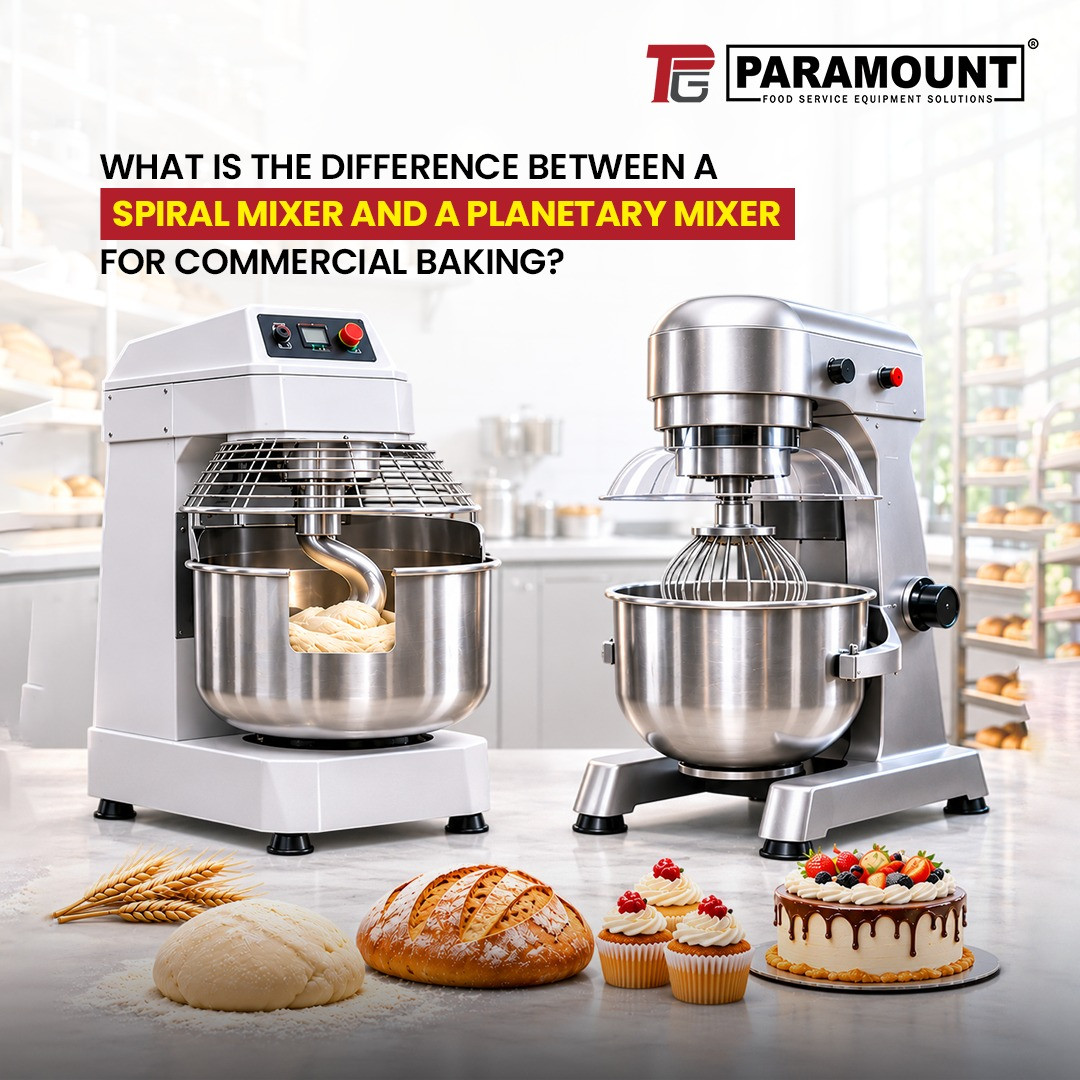
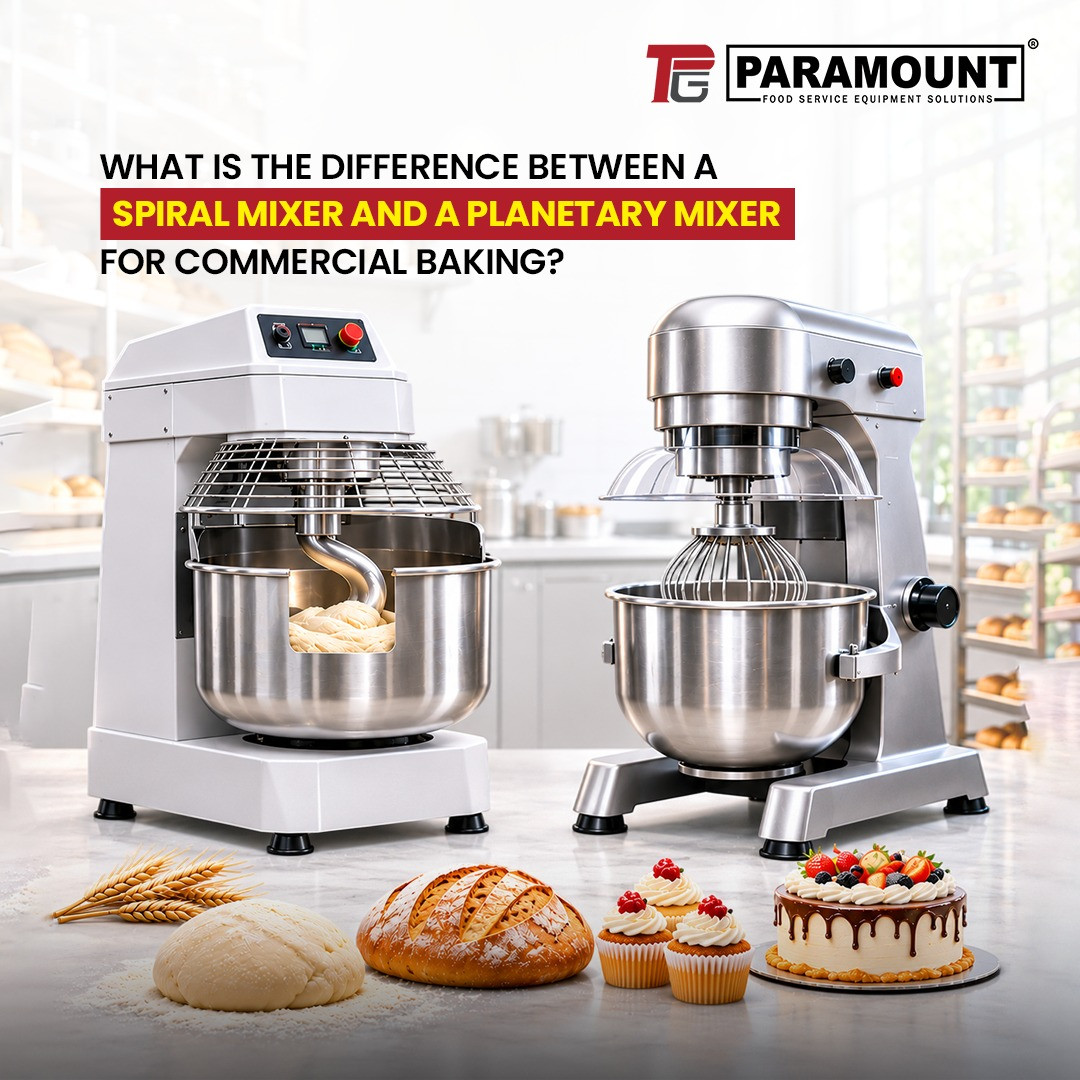
Walk into a commercial bakery, and you may find a spiral mixer and a planetary mixer working side by side. While one handles the dough for fresh bread and pizza bases, the other prepares cake batters, whips cream and mixes ingredients for a variety of baked goods. Although both machines are designed for mixing, they work differently and serve distinct purposes.
For bakers, understanding the purpose of each mixer is essential to maintaining an efficient kitchen and meeting daily production requirements. Below is a closer look at both types of mixers and the key differences that set them apart.
Planetary Mixers
Planetary mixers are versatile machines designed to handle a wide range of mixing tasks in commercial kitchens. Their mixing attachment rotates on its own axis while moving around the bowl, ensuring that ingredients are combined thoroughly.
One of the biggest advantages of a planetary mixer is its versatility. Depending on the model and attachment, it can be used to prepare cake batters, cookie dough, creams, frostings, whipped egg whites and certain types of bread dough. Common attachments include a flat beater, wire whisk and dough hook, each suited to a different preparation task.
Some planetary mixers can also accommodate additional attachments for slicing, grating or chopping ingredients, depending on the machine’s design. This makes them useful for restaurants, hotels, cafés and bakeries that prepare a variety of products.
Planetary mixers are available in countertop and floor-standing models, with different bowl capacities to suit varying production volumes. For businesses that need a single machine for multiple mixing applications, a planetary mixer can be a practical choice.
Spiral Mixers
Spiral mixers are designed primarily for kneading bread dough and other yeast-based doughs. They use a spiral-shaped hook and a rotating bowl to combine ingredients and develop gluten, which gives dough its structure and elasticity.
Unlike planetary mixers, spiral mixers do not rely on an attachment moving around the bowl. Instead, the bowl rotates while the spiral hook kneads the dough, helping achieve a consistent mixture.
These mixers are particularly suitable for bakeries that regularly produce bread, pizza bases, bagels and other dough-based products. Their mixing action can help limit excessive friction and heat generation, supporting better dough temperature control. However, the final dough temperature also depends on factors such as ingredient temperature, mixing time and batch size.
Spiral mixers are available in different capacities to meet the requirements of small bakeries and high-volume production facilities. Businesses working with commercial kitchen equipment suppliers in Dubai can consider these machines when setting up dedicated bread or pizza production areas.
Spiral Mixer vs Planetary Mixer: Key Differences
Although both machines are used for mixing, their mechanisms, applications and capabilities differ in several ways.
1. Mixing mechanism
A planetary mixer uses an attachment that rotates on its axis while moving around the bowl. A spiral mixer uses a rotating bowl and a spiral-shaped hook to knead dough. These different movements influence how ingredients are combined and how dough develops.
2. Types of products
Planetary mixers are suitable for preparing cake batters, creams, frostings, cookies and selected doughs. Spiral mixers are primarily used for bread dough, pizza bases and similar yeast-based products.
3. Dough development and temperature
Spiral mixers are often preferred for regular bread production because their mixing action supports consistent gluten development while helping limit excessive heat. Planetary mixers can also knead dough, but their suitability depends on the recipe, batch size and machine specifications.
4. Versatility and attachments
Planetary mixers offer greater flexibility through interchangeable attachments. Spiral mixers are more specialised and are primarily designed for dough preparation, making them less suitable for tasks such as whipping cream or preparing cake batter.
5. Production volume
Both types of mixers are available in different capacities. The right size depends on the quantity of ingredients used per batch, daily production requirements and the manufacturer’s recommended operating limits. When comparing options from kitchen equipment suppliers in Sharjah, bakery owners should consider these factors alongside the machine’s features and intended applications.
How to Choose the Right Commercial Mixer
Before investing in a commercial mixer, bakers should assess their menu, production volume and available kitchen space. A café or pastry shop that prepares cakes, cookies, creams and occasional dough may benefit more from a planetary mixer. A bakery producing large quantities of bread or pizza bases may find a spiral mixer more suitable.
Bowl capacity is another important consideration. The mixer should accommodate the usual batch size without being overloaded or used below its recommended minimum capacity. It is also worth checking motor specifications, cleaning requirements, operating speed and maintenance needs.
Future business requirements should not be overlooked. A bakery planning to expand its menu or increase production may need equipment with greater capacity or more specialised functions. Businesses sourcing equipment through kitchen equipment suppliers in Abu Dhabi should also compare warranty coverage, spare parts availability and after-sales service before making a purchase.
Can a Commercial Bakery Use Both Mixers?
Yes. Commercial bakeries with varied menus and high production demands can benefit from having both types of mixers.
A planetary mixer can handle cake batters, creams, fillings and general mixing tasks, while a spiral mixer can be dedicated to bread and pizza dough. Using both allows each machine to perform the tasks it is designed for and can help organise production more efficiently. However, smaller businesses may not need both machines immediately. The decision should depend on their menu, workload, available space and budget.
Final Thoughts
Planetary mixers and spiral mixers serve different purposes in commercial baking. While planetary mixers offer versatility for preparing a wide range of ingredients and baked goods, spiral mixers specialise in kneading bread and pizza dough.
By understanding the differences between these machines, bakers can identify which equipment best matches their daily production needs. The right choice ultimately depends on the products they prepare, the quantities they produce and the requirements of their commercial kitchen.
Planning to buy a mixer for your commercial kitchen? Explore a wide range of mixers from leading brands at Paramount and get expert guidance in choosing the right mixer for your kitchen’s needs.